Property Inventory Reports: Your Best Defence Against Disputes
Learn why a professional property inventory is your primary defence in deposit disputes and how to ensure your documentation stands up to 2026 scrutiny.
For landlords across the West Midlands, the property inventory is far more than a simple list of furniture and fixtures. In an increasingly regulated rental landscape, it serves as your primary legal defence, a timeline of your asset's condition, and your most effective tool for protecting your investment during deposit disputes. Whether you are managing a Victorian terrace in Birmingham or a modern apartment in Wolverhampton, the quality of your documentation directly dictates your ability to recover costs for damage.
Why Your Inventory is Your #1 Defence
When a tenancy ends, the burden of proof lies entirely with the landlord. If you wish to make a deduction from a tenant's deposit for damage, cleaning, or missing items, you must prove that the property was in a better condition at the start of the tenancy than it is at the end. Without a robust, time-stamped inventory, you are essentially relying on hearsay, which deposit protection schemes will almost always reject.
An inventory report acts as a 'fixed set of goalposts.' By documenting the exact state of the property at check-in, you provide an objective baseline that both you and your tenant have agreed upon. This transparency reduces the likelihood of disputes arising in the first place, as expectations regarding the property's condition are set from day one.
What Makes a Watertight Inventory Report?
To stand up to the scrutiny of an adjudicator, your inventory must be more than just a list. It needs to be a comprehensive, independent record. A professional-grade report should include:
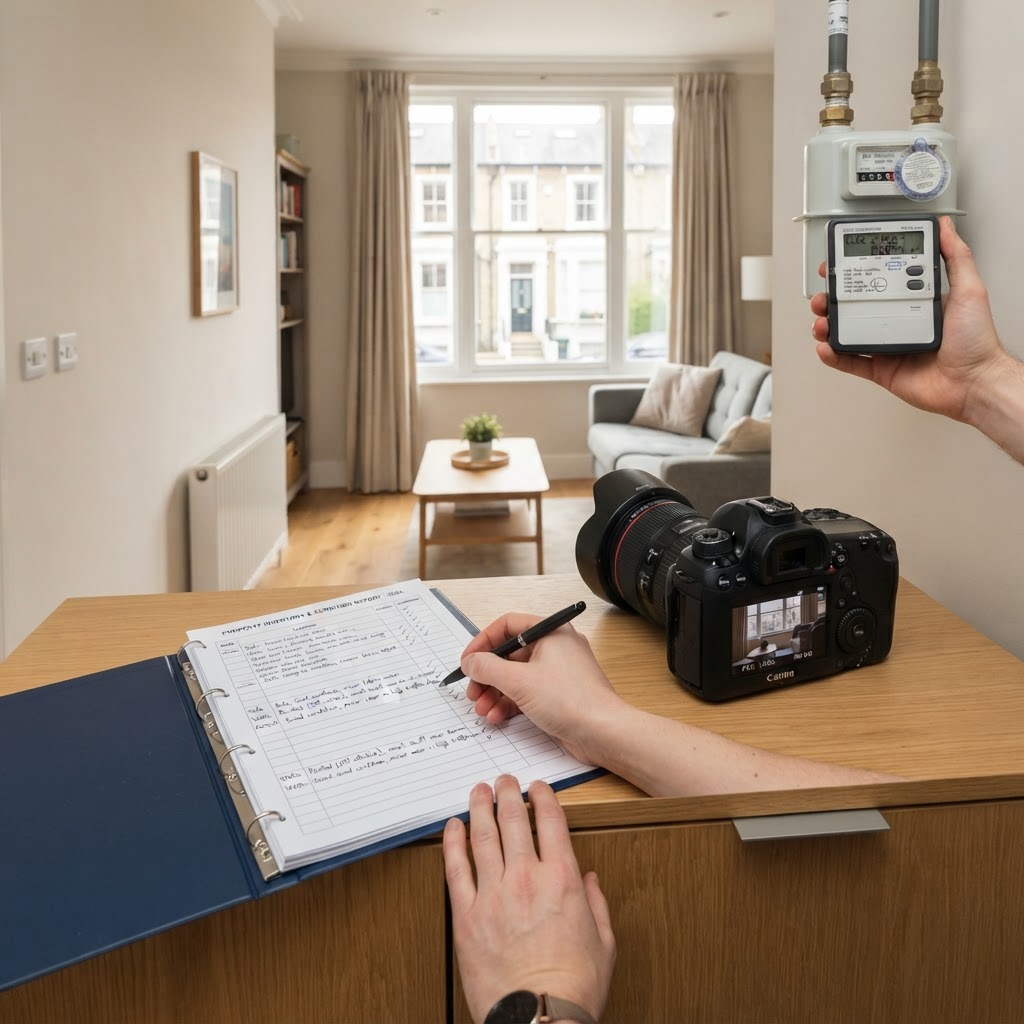
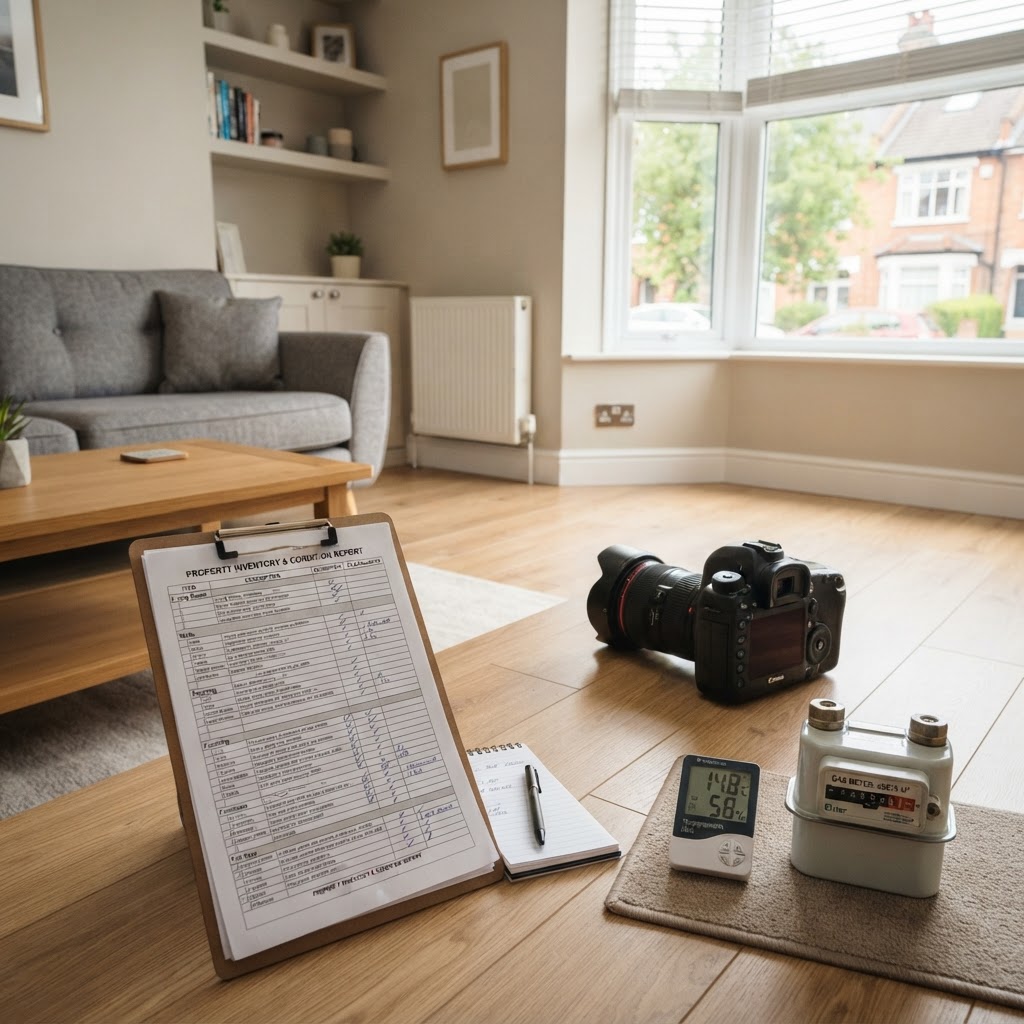
- Time-stamped, high-resolution photography: Every room, fixture, and fitting must be documented. Photos should be clear and dated to prove the condition at the specific moment of check-in.
- Detailed descriptions: Avoid vague terms like 'good condition.' Instead, describe the specific state of items, noting any pre-existing marks, scuffs, or wear.
- Meter readings and keys: Always record serial numbers for meters and provide photographic evidence of all keys handed over to the tenant.
- Safety compliance logs: Document the testing of smoke and carbon monoxide alarms, ensuring you have a record of compliance at the start of the tenancy.
- Independent verification: Using an independent third party to compile the report adds a layer of impartiality that is highly persuasive to deposit schemes.
The 'Matched Pair' Strategy: Check-In vs. Check-Out
An inventory report is only half the battle. To successfully claim for damages, you must have a 'matched pair' of documents: a check-in report and a check-out report. Adjudication is a comparison exercise. The adjudicator will look at the condition at check-out, compare it against the documented condition at check-in, and then subtract 'fair wear and tear.'
If you do not have a check-out report that mirrors the format of your check-in report, you will struggle to prove that the deterioration occurred during that specific tenancy. This is why many landlords in the West Midlands are moving toward digital, 360-degree evidence capture, which provides a consistent, immersive record that is difficult to dispute.
Fair Wear and Tear vs. Tenant Damage
One of the most common reasons deposit claims fail is a misunderstanding of 'fair wear and tear.' You cannot charge a tenant for the natural ageing of a property. However, you can charge for damage that goes beyond this.
- Fair Wear and Tear: The natural deterioration of items over time (e.g., slight fading of curtains, minor scuffs on walls from normal use).
- Tenant Damage: Damage caused by negligence, misuse, or accidents (e.g., large stains on carpets, holes in walls, broken fixtures).
To claim for damage, you must provide evidence of the item's age and original cost to calculate a 'depreciated value.' If you attempt to claim for a brand-new replacement for an item that was already ten years old, the claim will likely be rejected.
How Skyline Can Help
At Skyline Technical Services, we understand that managing compliance across the West Midlands—from Solihull to Stafford—is a full-time job. Our inventory services are designed to provide the 'compliance shield' you need to protect your rental income and property value.
We offer:
- Professional Inventory & Schedule of Condition: Detailed, independent reports that serve as your primary evidence in any dispute.
- 360° Virtual Tours: Our digital evidence capture provides an immersive, time-stamped record of your property, making it easier than ever to prove condition.
- Mid-Term Inspections: Regular check-ins allow you to catch maintenance issues early, preventing minor problems from becoming major disputes at the end of the tenancy.
Frequently Asked Questions
1. Can I do my own inventory? While you can, it is rarely recommended. An independent, professional report carries significantly more weight with deposit protection schemes because it removes the bias of the landlord.
2. What if the tenant refuses to sign the inventory? If a tenant refuses to sign, ensure you have a clear record that they were provided with the document and given a reasonable period (usually 7 days) to raise any disputes. This record is still valid evidence.
3. Does a 360° tour replace a written inventory? It is best used as a powerful supplement. A written report provides the granular detail, while a 360° tour provides the visual context that makes the report 'watertight.'
4. How long should I keep inventory records? Under current best practice, you should retain all check-in and check-out documentation for at least six years after the tenancy ends to protect against potential legal claims.
5. Does the Renters' Rights Act change how I handle inventories? While the core principles remain, the Act places a stronger emphasis on fairness and evidence. Having a professional, independent inventory is now more critical than ever to ensure your deductions are proportionate and clearly evidenced.
Protect your property and your peace of mind. Book your professional inventory today or request a quote to see how we can support your portfolio.
Ready to take action?
Get a fast, no-obligation quote from our accredited team — covering EPCs, surveys, retrofit and more.