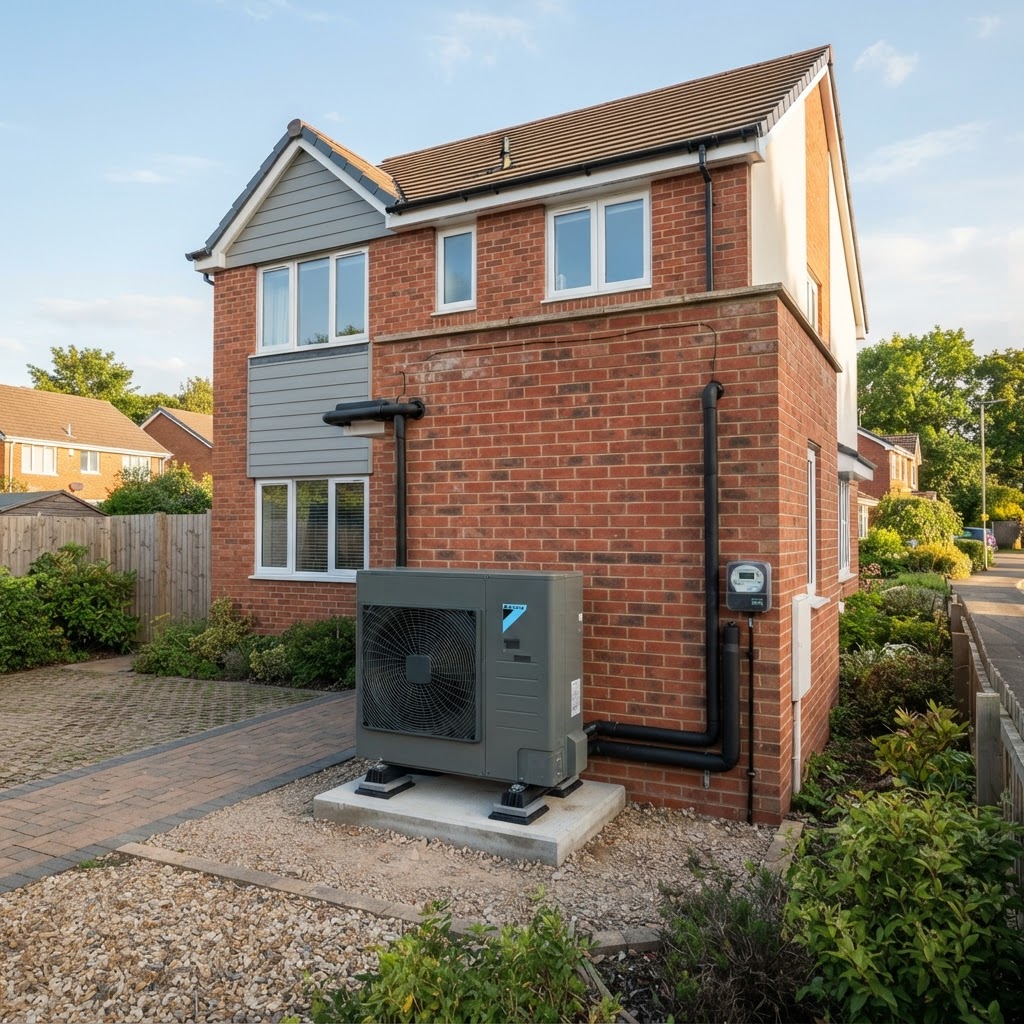
The 2026 Warm Homes Plan: A Guide for West Midlands Owners
See how Warm Homes support may help eligible property upgrades while West Midlands landlords prepare for the government's intended 2030 higher EPC standard.
Regulatory position — 4 September 2026: Current domestic MEES in England and Wales requires EPC E unless a valid exemption applies. Government intends an EPC C-equivalent standard from 1 October 2030, but the higher standard, planned £10,000 cap and future £30,000 maximum penalty remain subject to further legislation and Parliamentary approval. Check current GOV.UK guidance.
The 2026 Warm Homes Plan: A Guide for West Midlands Owners
As we move into the second half of 2026, the UK’s energy landscape has undergone its most significant transformation in a generation. Following the full rollout of the government’s flagship Warm Homes Plan, property owners across Birmingham, Coventry, and the Black Country are finding themselves at the centre of a massive decarbonisation push. With the goal of ensuring all fuel-poor homes reach EPC Band C by 2030 and all rented properties meet the same standard, the urgency for West Midlands landlords and homeowners has never been higher.
The recent announcement from Great British Energy (GBE) regarding new partnerships with local authorities in Wolverhampton, Walsall, and Dudley has unlocked billions in funding specifically earmarked for "Local Power Plans." This isn't just about saving the planet; it is about protecting property values in a market where energy efficiency is now the primary concern for buyers and tenants alike. If your property is still languishing in Band D or E, the window for accessing the most generous grants is narrowing.
What is the 2026 Warm Homes Plan?
The Warm Homes Plan (WHP) is the evolved successor to the fragmented grant systems of the early 2020s. Backed by a multi-billion pound investment, the plan aims to upgrade five million homes across the UK. For owners in the West Midlands, the WHP represents a more integrated approach to retrofitting, combining the best elements of the ECO4 scheme, the Great British Insulation Scheme (GBIS), and the Boiler Upgrade Scheme (BUS).
Under the 2026 guidelines, the WHP provides a "whole-house" solution. Rather than just offering a single heat pump or a bit of loft insulation, the plan incentivises comprehensive upgrades based on a professional retrofit assessment. This approach ensures that energy-saving measures are installed in the correct sequence—the famous "fabric first" principle.
The Role of Great British Energy in the West Midlands
Great British Energy, the state-owned energy company, has established a regional hub in the West Midlands to oversee the distribution of the Local Power Plan funds. This means that councils in Birmingham, Solihull, and Stafford are now proactively identifying high-density areas for street-by-street insulation projects. If you own property in these areas, you may be eligible for even higher grant levels, often covering 100% of the costs for low-income tenants or owners.
The 2030 Deadline: 4 Years to Go
For landlords in Coventry and Wolverhampton, the clock is ticking loudly. The 2030 deadline for all private rented sector (PRS) properties to achieve an EPC C rating is now less than four years away. The government has proposed future maximum penalties of up to £30,000 per property per breach. This is not the current MEES penalty and requires further legislation.
However, the government has also introduced more robust support. The "Warm Homes Tax Incentive" now allows landlords to offset the costs of energy efficiency improvements against their rental income more aggressively than in previous years, provided the work is overseen by a certified Retrofit Coordinator under PAS 2035 standards.
Key Grants Available in the West Midlands Today
Navigating the sea of acronyms can be daunting. Here is the current state of play for grants in the West Midlands as of July 2026:
- The Warm Homes Grant: The primary vehicle for lower-income households and those in specific "Cold Spot" postcodes in Dudley and Walsall. It offers up to £15,000 for a combination of insulation and low-carbon heating.
- The Boiler Upgrade Scheme (2026 Extension): The grant for Air Source Heat Pumps remains at £7,500, but it is now easier to claim if you have a valid EPC assessment showing your loft and cavity walls are already insulated.
- ECO4 & GBIS: These schemes continue to run alongside the WHP, focusing on the least efficient properties (Bands E, F, and G). Many residents in Stafford and North Staffordshire are finding that these schemes can be "stacked" with local council top-up funds.
- Social Housing Decarbonisation Fund (SHDF): While primarily for housing associations, this fund is driving massive demand for RICS survey packages across Birmingham as social landlords prepare large portfolios for retrofit.
The Importance of the Retrofit Assessment
You cannot access the most substantial 2026 grants without a PAS 2035 Retrofit Assessment. This is a detailed technical survey that goes far beyond a standard EPC. It looks at the ventilation, moisture risk, and structural integrity of your building.
In the West Midlands, where we have a high concentration of Victorian and Edwardian "solid wall" properties—especially in areas like Harborne, Moseley, and central Wolverhampton—a standard EPC can sometimes underestimate the complexity of the work required. A retrofit assessment provides a clear, 10-year Improvement Plan, ensuring you don't spend money on a heat pump that the house isn't ready for.
Step-by-Step Guidance for West Midlands Owners
- Step 1: Get a Current EPC. If your certificate is more than two years old, it won't reflect the new 2026 carbon intensity factors. Our EPC assessment services provide the foundation for your upgrade path.
- Step 2: Check Eligibility. Use our grant eligibility tool to see if your property falls within the Great British Energy "Priority Zones" in the West Midlands.
- Step 3: Book a Retrofit Assessment. This is the mandatory entry point for the Warm Homes Plan. A qualified assessor will visit your property to create a Medium-Term Improvement Plan (MTIP).
- Step 4: Choose Your Measures. Based on the assessment, you might prioritise External Wall Insulation (EWI) for a solid-wall terrace in Dudley or solar PV for a detached home in Solihull.
- Step 5: Execution and Certification. Once the work is done, your EPC is updated, and your property’s value is protected against the 2030 regulations.
What This Means for Birmingham & West Midlands Property Owners
The West Midlands has some of the oldest housing stock in the UK. In Birmingham, over 30% of homes were built before 1919. These properties are often the most expensive to heat and the hardest to improve.
However, the 2026 Warm Homes Plan treats this as an opportunity. The local economy is being boosted by a surge in "Green Jobs." For a property owner in Walsall or Wolverhampton, this means there is now a local supply chain of accredited installers. By acting now, you are not just complying with the law; you are ensuring your property remains "lettable" and "mortgageable." Many lenders are now introducing "Green Mortgages" with significantly lower interest rates for properties that achieve an EPC B or C rating.
Why Choose Skyline Technical Services?
At Skyline Technical Services, we have been at the forefront of the West Midlands property market for years. We understand the specific challenges of the local housing stock, from the red-brick terraces of the Black Country to the modern developments in Solihull.
- Local Expertise: We serve Birmingham, Coventry, Wolverhampton, Walsall, Dudley, Solihull, and Stafford. We know the local council requirements and GBE priority zones.
- Speed & Accuracy: We offer fast turnaround times for EPCs and Retrofit Assessments, ensuring you don't miss out on time-limited grant windows.
- Comprehensive Service: From property inventory services for landlords to full RICS survey packages for buyers, we provide a holistic view of your property’s health.
- Accredited Professionals: Our team is fully qualified under PAS 2035, the gold standard for UK retrofit.
Frequently Asked Questions
1. Is the EPC C requirement definitely happening in 2030?
Yes. The 2026 government white paper reaffirmed that all private rented properties must reach EPC Band C by 2030. There are very few exemptions, and the focus has shifted toward providing the financial support (the Warm Homes Plan) to make it achievable.
2. Can I get a grant if I am a landlord?
Yes, but the level of funding depends on the tenant's circumstances and the property's location. Landlords in specific West Midlands "regeneration zones" can often access substantial subsidies under the Local Power Plan partnership with GBE.
3. What is the difference between an EPC and a Retrofit Assessment?
An EPC is a general energy efficiency rating required for selling or letting. A Retrofit Assessment is a much more in-depth technical survey required to access government grants. It includes a condition report, an occupancy assessment, and a detailed energy report.
4. How much can I save on my energy bills?
Upgrading a typical D-rated semi-detached house in Coventry to a B-rating under the Warm Homes Plan can save the occupier between £800 and £1,200 per year at current 2026 energy prices.
Don't wait until the 2030 deadline creates a bottleneck of demand. Secure your property’s future today.
Contact Skyline Technical Services to book your EPC or Retrofit Assessment today.
Ready to take action?
Get a fast, no-obligation quote from our accredited team — covering EPCs, surveys, retrofit and more.
Related Articles
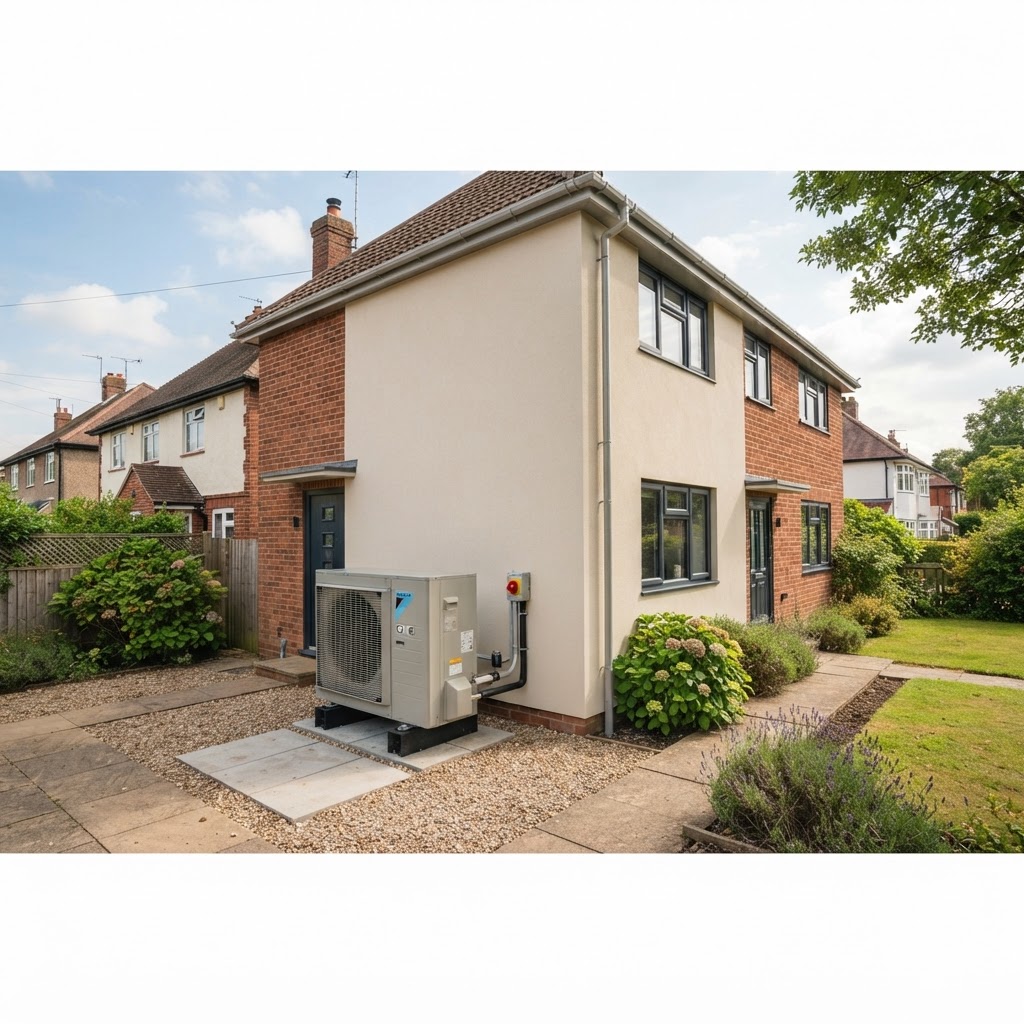
Understanding Your Retrofit Assessment Report: A West Midlands Guide
Learn how to decode your PAS 2035 Retrofit Assessment Report and Whole House Plan to unlock up to £30,000 in West Midlands energy grants.
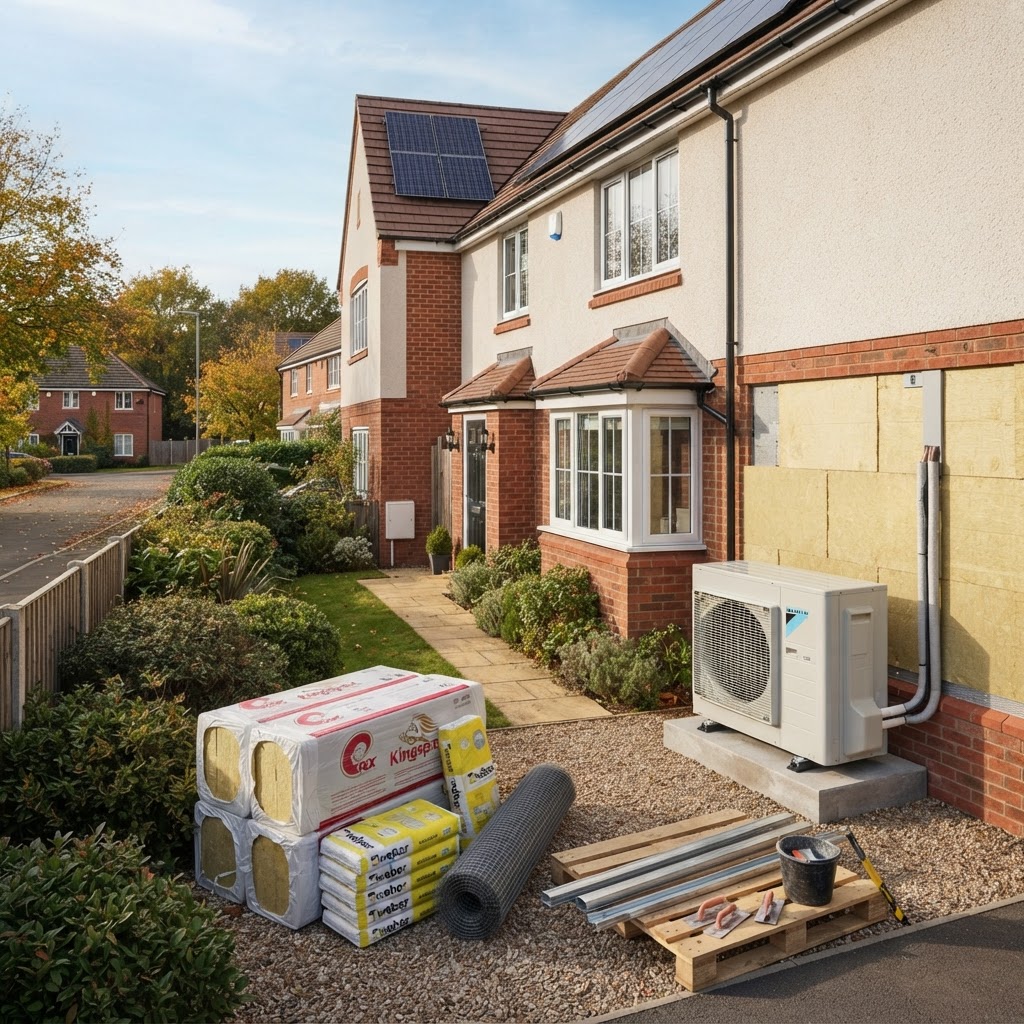
The 2026 West Midlands Retrofit Transition: ECO4 to Warm Homes
Navigate the 2026 shift from ECO4 to the Warm Homes Local Grant in the West Midlands. Learn about £30k grants, PAS 2035, and new eligibility for Birmingham owners.