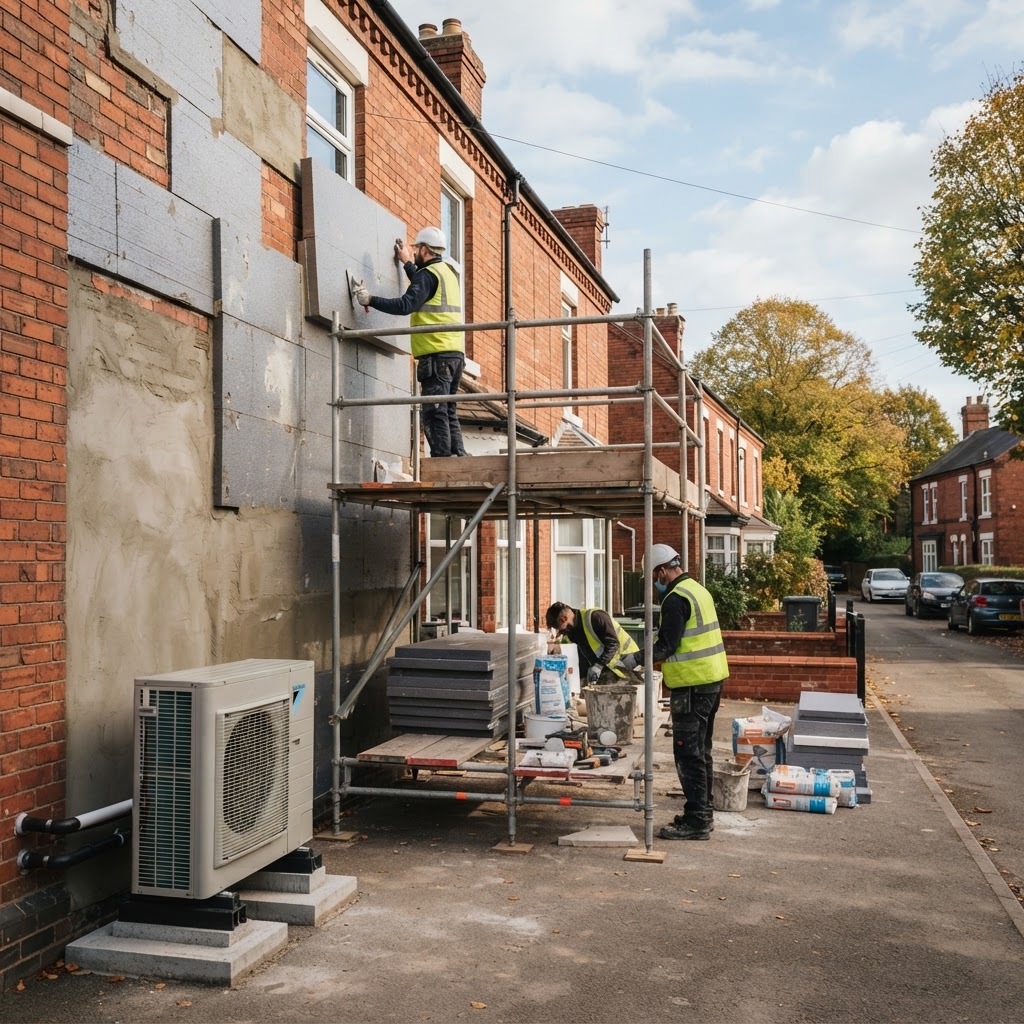
The 2026 Retrofit Passport: A Guide for West Midlands Owners
Learn how the new 2026 Retrofit Passport regulations impact property sales and grants in Birmingham, Coventry, and the West Midlands.
The 2026 Retrofit Passport: What West Midlands Property Owners Need to Know
As of July 2026, the UK property market is undergoing its most significant transformation since the introduction of the Energy Performance Certificate (EPC) nearly two decades ago. Following the latest updates to the government’s "Warm Homes Plan," a new mandate has emerged that specifically impacts homeowners and landlords across Birmingham, Coventry, Wolverhampton, and the wider West Midlands: the Retrofit Passport.
While the EPC remains a legal requirement, the Retrofit Passport is now being phased in as the primary document for accessing high-level government grants and ensuring compliance with new lending criteria from major UK banks. If you are planning to sell a property in Solihull, lease a commercial unit in Walsall, or upgrade a Victorian terrace in Dudley, understanding this document is no longer optional—it is essential for protecting your property’s value.
What is the 2026 Retrofit Passport?
The Retrofit Passport is a comprehensive, data-driven digital record of a property’s energy journey. Unlike a standard EPC, which provides a 'snapshot' of a building's efficiency at a single point in time, the Passport is a living document. It outlines exactly what measures have been installed, the quality of those installations (compliant with PAS 2035 standards), and a bespoke roadmap for reaching Net Zero by 2050.
Under the 2026 Energy Security Bill, the government has transitioned from generic advice to these property-specific "logbooks." For residents in Stafford and West Staffordshire, where housing stock varies from modern developments to heritage rural cottages, the Passport provides a much-needed level of technical detail that standard assessments often miss.
Key Components of a Retrofit Passport:
- The Building Fabric Health Check: Detailed analysis of insulation levels and moisture risks.
- The Improvement Roadmap: A sequential list of upgrades (e.g., solar before heat pump).
- Installation History: Verified records of past works, including warranties and installer certifications.
- Grant Eligibility Score: A live rating that tells you which parts of the Warm Homes Grant or ECO4 you can currently claim.
Why the West Midlands is at the Forefront
The West Midlands Combined Authority (WMCA) has recently secured a specialized portion of the Warm Homes Plan Local Authority Delivery (LAD) fund. This means that homeowners in areas like Wolverhampton and Sandwell have access to localized pots of money that require a Retrofit Passport for eligibility.
With our region’s high density of pre-1919 housing, the standard EPC often fails to account for the 'breathability' of traditional brickwork. The new Retrofit Passport addresses this by requiring a qualified retrofit assessment that looks at the building as a whole system, preventing the common issue of dampness caused by incorrectly installed insulation.
Retrofit Passports vs. Traditional EPCs: The Major Differences
It is a common misconception that the Retrofit Passport replaces the EPC. In reality, they work in tandem, but the Passport is increasingly becoming the document that 'does the heavy lifting' in property transactions.
| Feature | Standard EPC | Retrofit Passport | | :--- | :--- | :--- | | Primary Purpose | Regulatory compliance for sale/let | Strategic investment and grant access | | Validity | 10 Years | Updated after every major energy work | | Technical Depth | Visual inspection only | Full retrofit assessment and modeling | | Grant Integration | Low (Used for basic eligibility) | High (Required for 'Deep Retrofit' funding) | | Lender Acceptance | Standard | Required for 'Green Mortgage' lowest rates |
Navigating the Grant Landscape in 2026
One of the primary reasons the Retrofit Passport is trending this month is its role as a 'gatekeeper' for the latest round of government funding. In July 2026, the following grants have been updated with new criteria:
1. The Warm Homes Grant (West Midlands Allocation)
Following the 2026 Budget, the Warm Homes Grant now offers up to £15,000 for low-income households in Birmingham and Coventry. However, to prevent 'piecemeal' upgrades that don't work together, the government now requires a Retrofit Passport to prove that the proposed measures (such as external wall insulation) are part of a long-term plan for the building.
2. The Boiler Upgrade Scheme (BUS) 2026 Extension
The BUS grant for air-source heat pumps remains at £7,500, but a new "Performance Bonus" of an additional £2,000 has been introduced for properties that can provide a Retrofit Passport showing the home is "Heat Pump Ready" (meaning it has adequate insulation and correctly sized radiators).
3. ECO4 and the Great British Insulation Scheme (GBIS)
For residents in Walsall and Dudley, these schemes continue to target fuel poverty. If you are unsure of your standing, you should check your grant eligibility immediately, as the 2026 funding cycle is currently at peak capacity.
The Impact on Property Sales and RICS Surveys
If you are buying or selling a home in the West Midlands this summer, you will likely notice a change in how surveyors approach the property. When booking RICS survey packages, buyers are now increasingly requesting a "Retrofit Review" as part of the Level 2 or Level 3 report.
Lenders such as Nationwide and Lloyds have signaled that by late 2026, they may begin 'down-valuing' properties that do not have a clear path to an EPC Grade C. A Retrofit Passport serves as an insurance policy for your property's value; even if your home is currently a 'D' or 'E', having a Passport that proves a clear, costed path to 'C' provides the certainty that banks and buyers demand.
Step-by-Step: How to Secure Your Retrofit Passport
- Initial Assessment: Start with our EPC assessment services to establish your current baseline. This is the foundation of any energy record.
- Full Retrofit Audit: Engage a qualified professional to book a retrofit assessment. This involves a more invasive and detailed look at your property's thermal performance.
- The Digital Upload: Your assessor will upload the data to the national TrustMark Data Warehouse, which generates your digital Passport.
- Strategic Upgrades: Use the Roadmap in your Passport to apply for relevant grants like the Boiler Upgrade Scheme or GBIS.
- Certification: Once works are completed, your Retrofit Coordinator signs off the measures, updating your Passport and your property's market appeal.
What This Means for Birmingham & West Midlands Property Owners
In the local context of the West Midlands, the move toward Retrofit Passports is a response to our unique industrial heritage. Birmingham’s "Big City Plan" and the redevelopment of the Black Country mean that older properties are competing with high-efficiency new builds in the Jewellery Quarter and Solihull.
For landlords, this isn't just about compliance—it's about marketability. A property with a 'Gold-Tier' Retrofit Passport will attract higher-quality tenants who are increasingly conscious of rising energy costs. In areas like Stafford and West Staffordshire, where rural off-gas properties are common, the Passport is the only way to effectively plan for the transition to renewable heating without incurring massive unexpected costs.
Why Choose Skyline Technical Services?
Navigating the shift from simple EPCs to complex Retrofit Passports requires local expertise and technical precision. At Skyline Technical Services, we don't just provide a certificate; we provide a strategy for your most valuable asset. Serving Birmingham, Coventry, Wolverhampton, and the surrounding areas, our team stays at the cutting edge of 2026 regulations.
Whether you need comprehensive property inventory services for a new tenancy or a detailed RICS survey for a high-stakes purchase, we integrate energy intelligence into every report. Our assessors are PAS 2035 compliant, ensuring that any advice you receive is eligible for the maximum available government funding.
Frequently Asked Questions
Q: Is the Retrofit Passport mandatory for all homes in 2026? A: Currently, it is mandatory for properties receiving government funding (like the Warm Homes Grant) and for specific social housing sectors. However, it is rapidly becoming a de facto requirement for private sales in the West Midlands as lenders demand more energy transparency.
Q: How much does a Retrofit Passport cost? A: The cost typically ranges from £400 to £800 depending on the size of the property, as it requires a much more detailed survey than a standard EPC. However, many homeowners find this cost is offset by the thousands of pounds unlocked in grant funding.
Q: Can I still sell my house in Wolverhampton with just an EPC? A: Legally, yes. However, you may find that buyers (and their mortgage lenders) will negotiate a lower price or request a Retrofit Passport during the conveyancing process to understand future upgrade costs.
Q: How long is the Passport valid for? A: While the underlying data is 'permanent', the Roadmap should be updated whenever you complete a recommended measure to ensure your 'Grant Eligibility Score' remains accurate.
Ready to future-proof your property? Don't let new regulations catch you off guard. Contact Skyline Technical Services today to book a retrofit assessment or check your grant eligibility with our expert West Midlands team.
Ready to take action?
Get a fast, no-obligation quote from our accredited team — covering EPCs, surveys, retrofit and more.
Related Articles
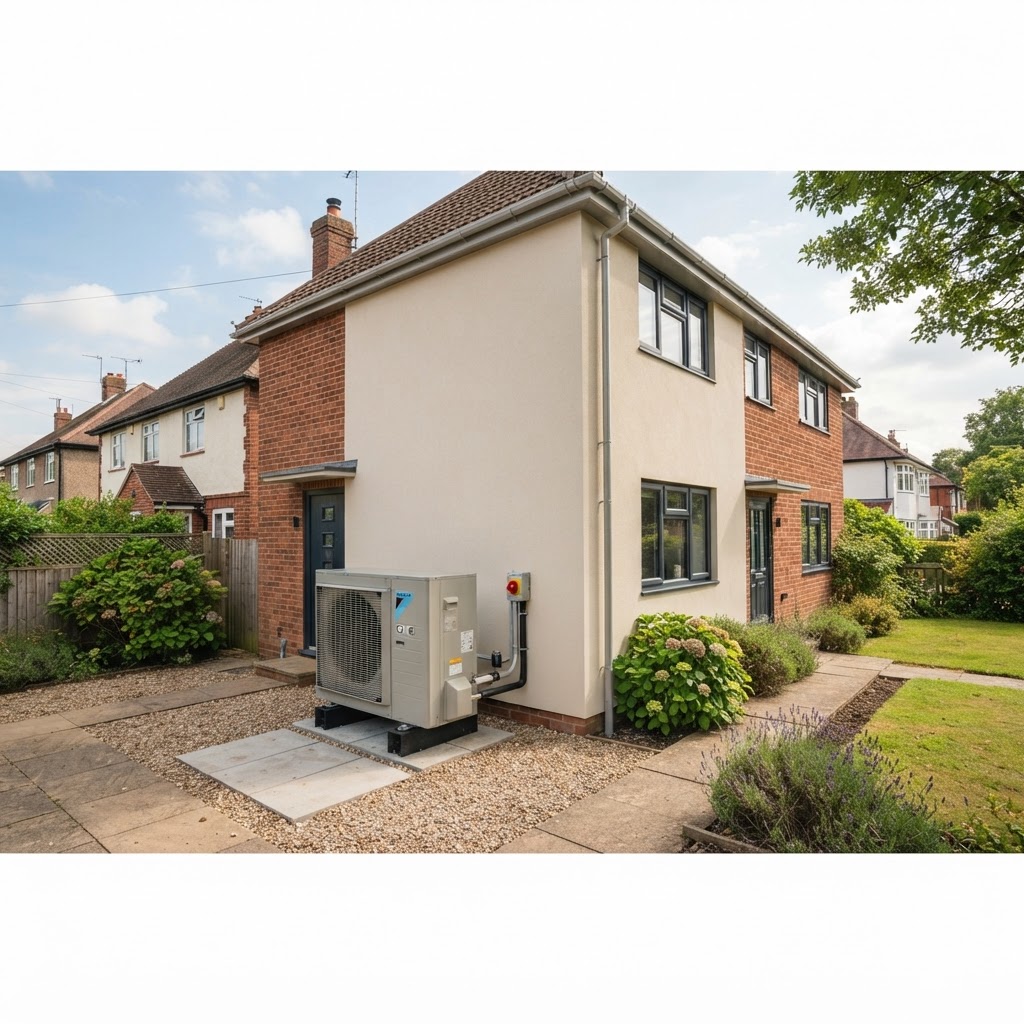
Understanding Your Retrofit Assessment Report: A West Midlands Guide
Learn how to decode your PAS 2035 Retrofit Assessment Report and Whole House Plan to unlock up to £30,000 in West Midlands energy grants.
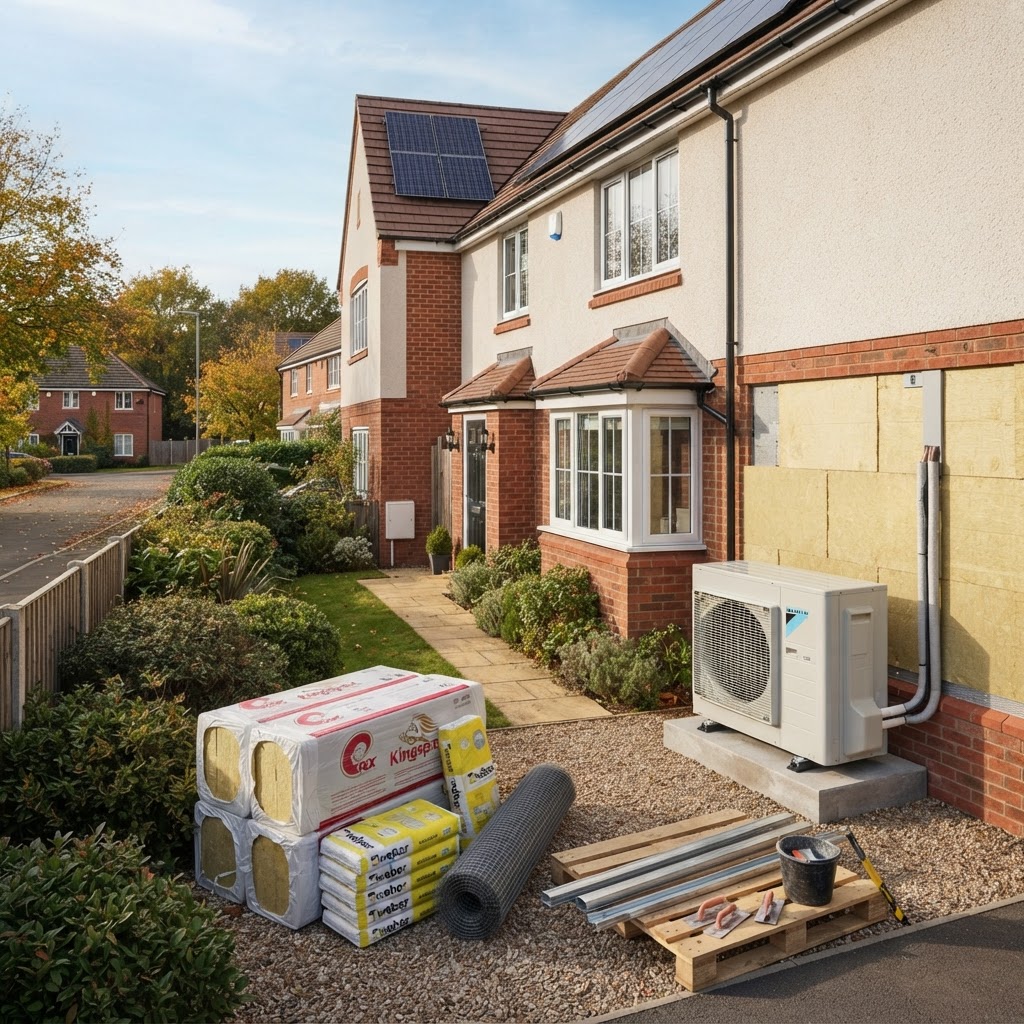
The 2026 West Midlands Retrofit Transition: ECO4 to Warm Homes
Navigate the 2026 shift from ECO4 to the Warm Homes Local Grant in the West Midlands. Learn about £30k grants, PAS 2035, and new eligibility for Birmingham owners.